

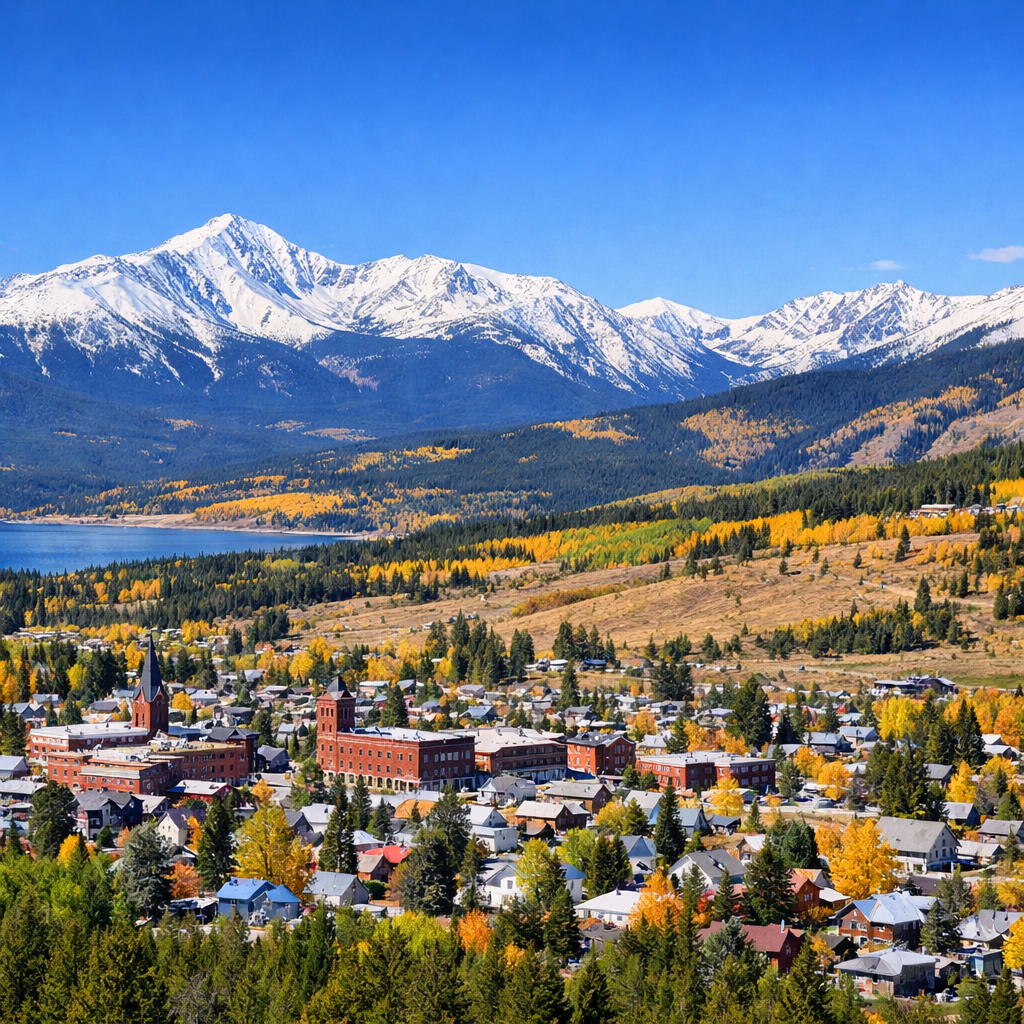
Perched at an elevation of 10,152 feet, Leadville, Colorado, boasts a climate as unique as its rich history. The city’s high altitude significantly influences its weather patterns, resulting in distinct seasonal variations that residents and visitors should be well-acquainted with.
Winter: November to March
Winters in Leadville are notably cold and snowy. Average high temperatures hover around 30°F, while lows can plummet to single digits. Snowfall is substantial, with the city receiving an average of 141 inches annually. This abundance of snow transforms Leadville into a haven for winter sports enthusiasts, offering ample opportunities for skiing, snowshoeing, and snowmobiling. However, it’s essential to dress warmly and be prepared for rapidly changing conditions.
Spring: April to May
Spring serves as a transitional period, with temperatures gradually rising from the mid-30s to the mid-50s. While snowfall decreases, it’s not uncommon to experience occasional snow showers mixed with rain. The melting snow leads to increased river flows, and the landscape begins to green, signaling the arrival of warmer days. Visitors should be prepared for variable weather and potentially muddy trails during this season.
Summer: June to August
Summers in Leadville are mild and pleasant, with average high temperatures ranging from the mid-60s to low 70s. The city enjoys over 300 days of sunshine annually, making it an ideal time for outdoor activities such as hiking, biking, and fishing. However, afternoon thunderstorms are common, so it’s advisable to plan outdoor excursions for the morning hours and always carry rain gear.
Fall: September to October
Autumn brings cooler temperatures, with highs dropping from the 60s in September to the 40s by October. This season is particularly picturesque, as aspen trees turn vibrant shades of gold and red, contrasting beautifully with the evergreen forests. It’s a popular time for leaf-peeping and enjoying the crisp mountain air. As temperatures can vary widely, layering clothing is recommended.
High-Altitude Considerations
Leadville’s elevation means thinner air and increased exposure to ultraviolet radiation. Visitors may experience altitude sickness, characterized by headaches, nausea, and fatigue. To mitigate these effects, it’s advisable to acclimate gradually, stay hydrated, and avoid strenuous activities upon arrival. Additionally, the high altitude results in cooler temperatures year-round, so packing appropriate clothing is essential.
Understanding Leadville’s unique climate is key to enjoying all that this historic mountain town has to offer. Whether you’re planning a winter adventure or a summer getaway, being prepared for the weather will enhance your experience in this remarkable high-altitude destination.