

By Liam Gonzales
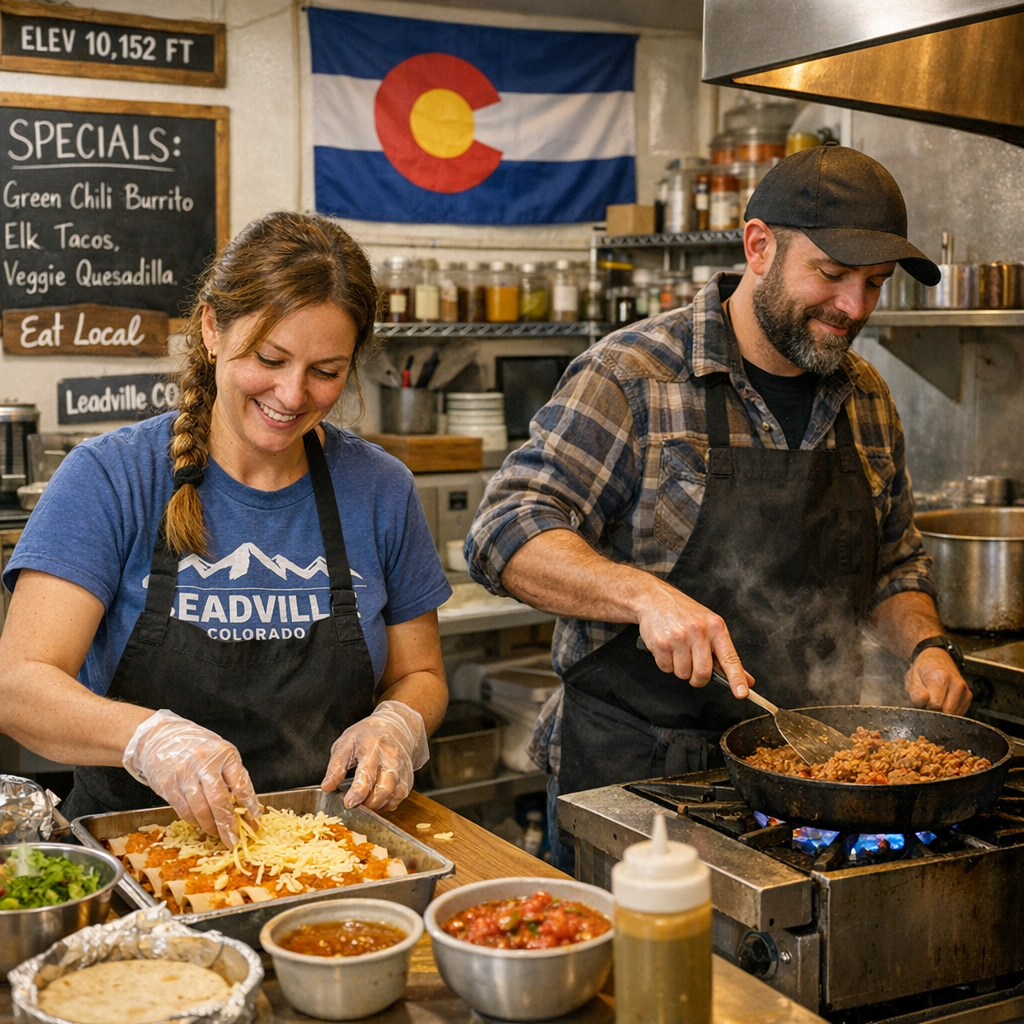
In Leadville and Lake County, food-centered small businesses are carving out growing roles in our local economy. From food trucks and cottage kitchens to packaged goods, several long-term trends and new initiatives are creating opportunities—and challenges—for entrepreneurs working to turn flavor into viable livelihoods.
Emerging Support: Programs & Capacity
The newest resource on the block is the Cloud City Food Lab, a 14-week accelerator operated by the Lake County Build A Generation’s Food Access Coalition together with the Leadville/Lake County Economic Development Corporation (EDC). It offers guidance on business operations, licensing, permitting, mentorship, and marketing—all free. Whether someone is baking pies in a home kitchen or planning to launch a food truck, this cohort experience helps turn ideas into real operations. (Note: cohort size is capped, so early application is ideal.)
On the regulatory front, the City of Leadville requires all businesses—even retail or food operations—to obtain a business license (fee: $50/year), and exempts them from city-level sales tax since only state and county taxes apply. Understanding these rules early helps avoid costly delays later.
Trends & Drivers
Interest in food-based entrepreneurism is rising here. Locals are combining tradition—homemade goods, family recipes—with tourism demand. Visitors are drawn by the promise of genuine local food experiences, creating a rising market in pop-ups, food trucks, and packaged products made here.
At the same time, competition is increasing—licensing rules, health codes, and distribution logistics weigh heavily. Entrepreneurs juggling the complexity of state regulations, kitchen space access, and capital are at a higher risk in early stages.
Challenges & What’s Ahead
The cost of running a small food business remains high. Commercial kitchen space is limited. Food entrepreneurs may need to store and deliver goods far from their base. Many practitioners report that regulations and licensing laws—while essential for safety—are time-intensive and confusing without help.
Leverage points for improving the ecosystem include: more shared-use kitchen infrastructure; simplified communications from agencies about licensing; grants or low-interest loans tailored to food businesses; stronger local distribution channels (farmers markets, retail outlets, tourism partners). The goal is sustainable growth that supports year-round income, not just summer spikes.
Takeaway for Local Entrepreneurs
- Talk with the Leadville/Lake County EDC early. Their tools and networks can speed up licensing and business planning.
- Explore programs like Cloud City Food Lab—it brings structure, mentorship, and access that solo operation often lacks.
- Be realistic about seasonality. Leadville gets waves of visitors, but many food businesses survive by balancing tourist-driven revenue with stable income sources in quieter months.
- Think community-first. Working with nearby farms, markets, and local tourism operators can stretch your reach and build resilient demand.
Leadville’s food entrepreneurs carry more than recipes—they carry identity, history, and opportunity. With strengthened support and smart planning, those businesses can power more than meals: they can help feed a local economy that’s growing from its roots.