

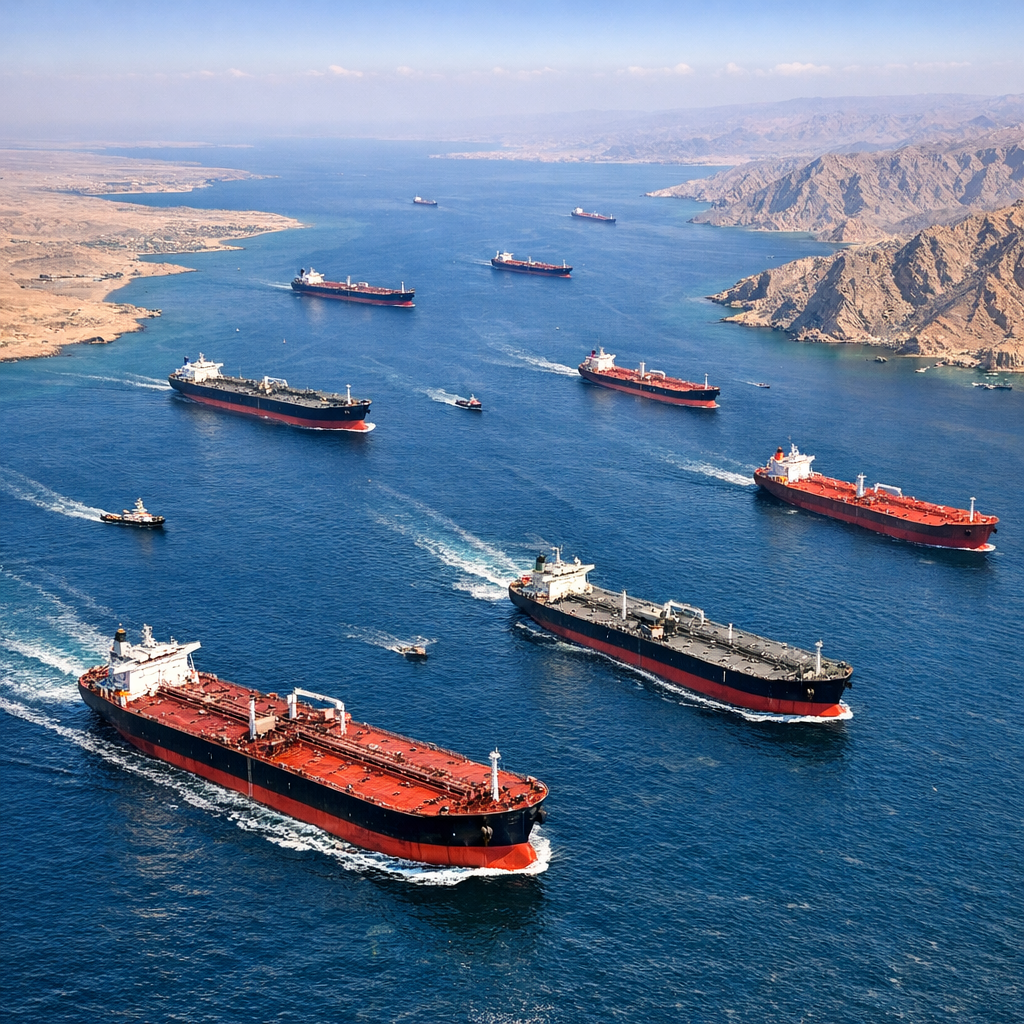
The Strait of Hormuz, a narrow passage connecting the Persian Gulf to the Gulf of Oman and the Arabian Sea, holds a pivotal position in global geopolitics and economics. This article explores its significance and the potential ramifications for the United States.
Geographical and Strategic Importance
Approximately 21 miles wide at its narrowest point, the Strait of Hormuz serves as a critical conduit for the world’s oil supply. A substantial portion of global petroleum exports, particularly from major producers like Saudi Arabia, Iran, and the United Arab Emirates, transit through this strait. Any disruption in this passage can have immediate and far-reaching effects on global energy markets.
Economic Implications
Given the volume of oil that passes through the Strait of Hormuz, any obstruction can lead to significant fluctuations in oil prices. For the United States, which remains a major consumer of oil, such disruptions can translate into increased fuel costs, affecting both consumers and industries. Moreover, global economic stability is closely tied to the uninterrupted flow of energy resources, making the strait’s security a matter of international concern.
U.S. Interests and Policy
The United States has historically maintained a vested interest in ensuring the free flow of commerce through the Strait of Hormuz. This commitment has often translated into a military presence in the region, aimed at deterring potential threats and ensuring maritime security. The strategic importance of the strait underscores the broader U.S. policy objectives in the Middle East, balancing diplomatic engagements with defense commitments.
Potential Challenges
While the U.S. endeavors to maintain stability in the region, challenges persist. Geopolitical tensions, regional conflicts, and the actions of state and non-state actors can pose threats to the security of the strait. Navigating these complexities requires a nuanced approach, balancing military readiness with diplomatic efforts to foster regional cooperation.
In conclusion, the Strait of Hormuz remains a linchpin in global energy security and economic stability. Its significance extends beyond regional boundaries, impacting global markets and international relations. For the United States, understanding and addressing the dynamics surrounding this strategic passage is essential in formulating effective foreign and economic policies.